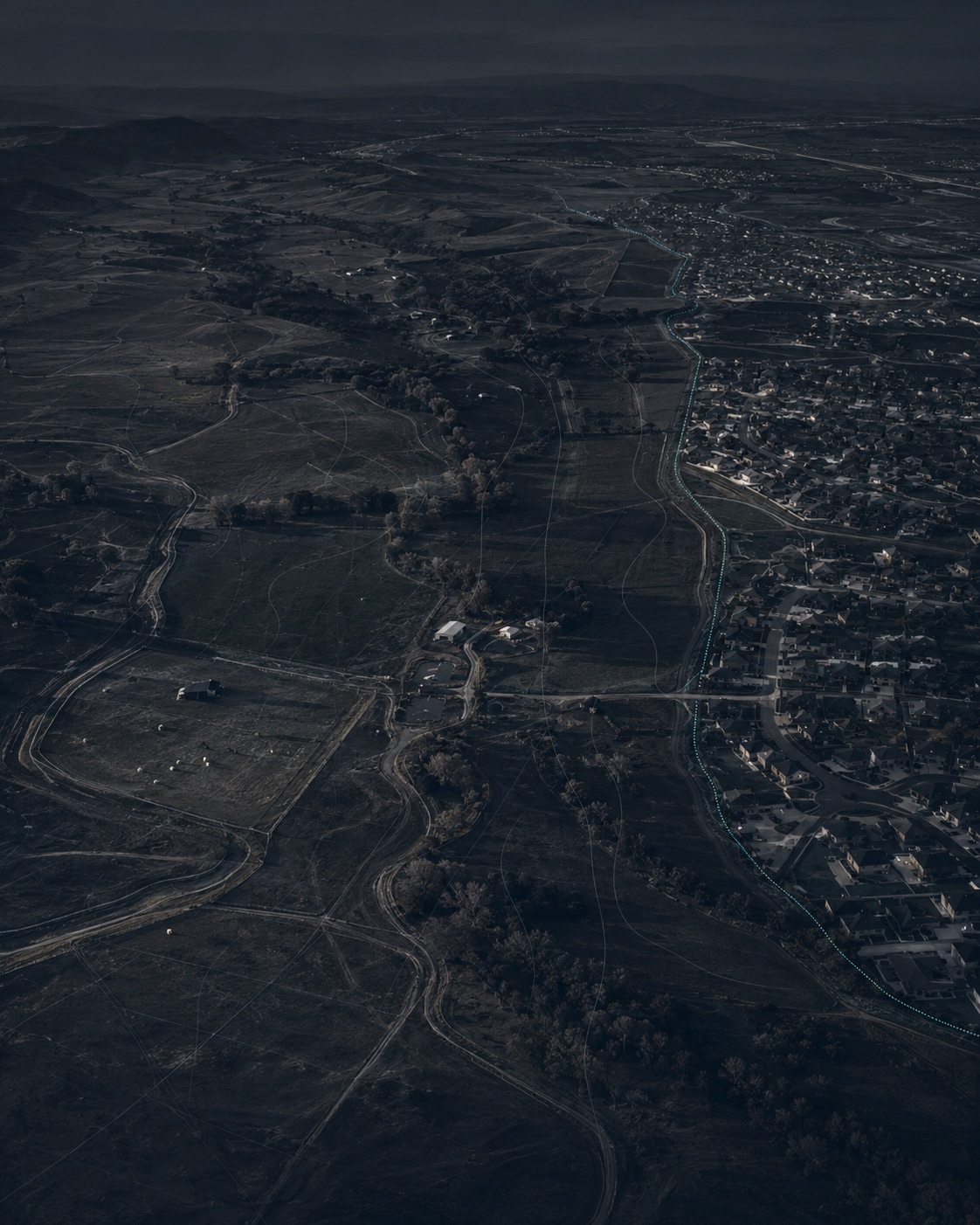
Jim Strickland, a sixth-generation cattle rancher, manages Blackbeard’s Ranch in Manatee County and helps oversee roughly 18,000 acres across several Florida counties. He has placed portions of the family’s land under conservation easements—voluntary legal agreements that permanently restrict subdivision and development while allowing continued agricultural use. The approach is not framed as resistance to growth. As Strickland has said, the goal is to keep working land working so that it does not have to be sold.
This choice sits inside a larger pattern. Across fast-growing states, large private holdings frequently face conversion pressure from development offers, inheritance taxes, and shifting economics. Public conservation programs such as Florida Forever and the Rural and Family Lands Protection Program receive real funding, yet annual budgets consistently fall short of the acreage already identified for protection. In this gap, conservation easements have emerged as a practical middle path: they remove the highest-value development rights while leaving the land in private ownership and productive use.
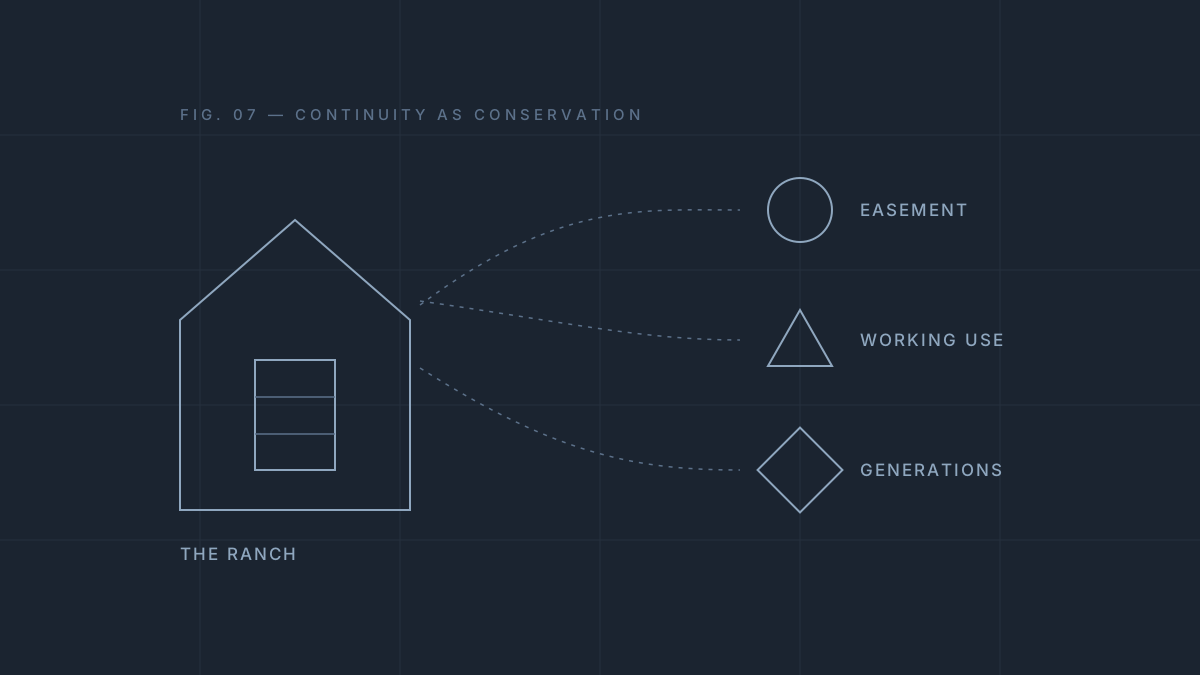
What changes when working landscapes are treated as a conservation mechanism rather than its opposite is the economics of continuity. A ranch that can remain profitable has a better chance of staying intact through generational transfer. An easement that limits development while preserving agricultural revenue can make that continuity more achievable. On these lands, cattle, seasonal burning, fencing, and wildlife management coexist. The presence of wild turkeys, white-tailed deer, and other native species becomes one indicator that the land is still being stewarded rather than simply held.
This arrangement does not solve every tension. It does shift the unit of decision. Instead of asking only whether land will be developed or taken out of production, it asks whether a form of continued use can be made durable enough to resist conversion over decades. In watersheds that affect drinking water, fisheries, and flood storage, the difference between maintained ranchland and subdivided land registers in water quality and stormwater capacity long before it appears in species counts.
The quieter rule is that some of the most durable protection of land occurs when continuity of use is made economically viable across generations. When that condition holds, stewardship becomes partly a private inheritance strategy that can align with public interests in open space and water, rather than depending entirely on public acquisition budgets that rarely keep pace with growth.
Core Pattern In high-growth regions, durable conservation frequently depends on economic arrangements that allow productive human use to continue, rather than on the removal of land from economic activity.
What This Alters It reframes working agricultural landscapes from potential obstacles to conservation into possible long-term partners, shifting attention from acquisition budgets toward the conditions that make continued stewardship economically sustainable across generations.
Resonant Line The land stays intact not because it has been taken out of use, but because a form of use has been made durable enough to outlast the next development offer.
Passages for Transmission
- In high-growth regions, durable conservation frequently depends on economic arrangements that allow productive human use to continue.
- Some of the most durable protection of land occurs when continuity of use is made economically viable across generations.
- The land stays intact not because it has been taken out of use, but because a form of use has been made durable enough to outlast the next development offer.
Source: “Cowboys Are Some of Florida’s Biggest Conservation Advocates” by Katelyn Newman, U.S. News & World Report, June 13, 2018.