Archive
2026
The Machine Can Say the Words
A bad imitation would be easy to dismiss. A good one asks what we believed was happening when a person stood up to preach.
The Company Was the Loud Song
McKinsey says 72% of organizations aren't ready for AI. The quieter truth: they're running new intelligence on an operating system built for a world before it.
The Meter Is Running
AI is moving from subsidized capacity to metered infrastructure. That changes more than the software budget — it changes the design of the organization.

Unlimited Practice
Good practice has always been scarce because human attention is scarce. What changes when a machine will listen to the tenth attempt as readily as the first?
Housing as Constraint, Housing as Design
Two theories of the housing shortage sit side by side — one asks how to make the system respond, the other why that system must exist at all.
The Door We Can't See
Why the most capable tool in the room is often the one that cannot find the opening already in front of it.
The Name Was Doing Two Jobs
What happens when one word is stretched across two different systems, and users collide with the seam the language hid.
The Day Was Never Redesigned
Every wave of senior living innovation arrives with a new name — wellness, hospitality, aging in place. No name has ever moved a mealtime.
What No Longer Responds
Does this still respond to me? Persistence is valuable only while effort still creates movement — how to tell productive difficulty from a dead end.

The Weight of Looking
When attention becomes weight, the present can begin to feel more permanent than it is.
The Ground Between Matches
A stadium is built for moments. A forest is built for everything between them.

When Expertise Becomes Portable
The visible story is a growing catalog of agent skills. The deeper story is that expertise itself is becoming portable.
You Shouldn't Be Able to Count Them
Collapse rarely announces itself with extinction. It announces itself with arithmetic.
The Commonplace Book as Cognitive Technology
The commonplace book was not merely a notebook. It was an instrument for training attention, organizing memory, and turning abundance into thought.

A Life Still in Motion
The Curious Life of Bill Mont does not ask us to admire a new medium. It asks us to encounter an older person whose life remains unfinished.
The File Names Were the Map
A resident should not have to become a forensic cartographer to understand what may be built beside a neighborhood. Yet that is how North Port’s data-center story entered public view.

The Cloud Has a Watershed
We still talk about "the cloud" as though it floats somewhere above the material world. It does not.

Not by Protein Alone
We want the loaf to carry a theology and the lentil to become a prescription. Protein is a modern category; the older questions were different.
We Are Already Inside the Singularity
We have spent years speaking of the singularity in the future tense. The tense has quietly changed.
The Prompt Is Becoming Policy
As machines move from answering questions to taking action, the language surrounding them begins to function less like a request — and more like a constitution.

Life Is Not a Noun
The moment we name a living thing, we begin to forget that it is still becoming.

The Infrastructure We Forgot to Build
Technology rarely fails because it isn't powerful enough. It fails because it has nowhere to land.
The Screen Is Becoming Matter
We designed computers around objects. The object is beginning to dissolve into a property that can be rewritten.

The Power Was Never in the Parts
How connective tissue becomes capability.
The Snapshot Is Ending
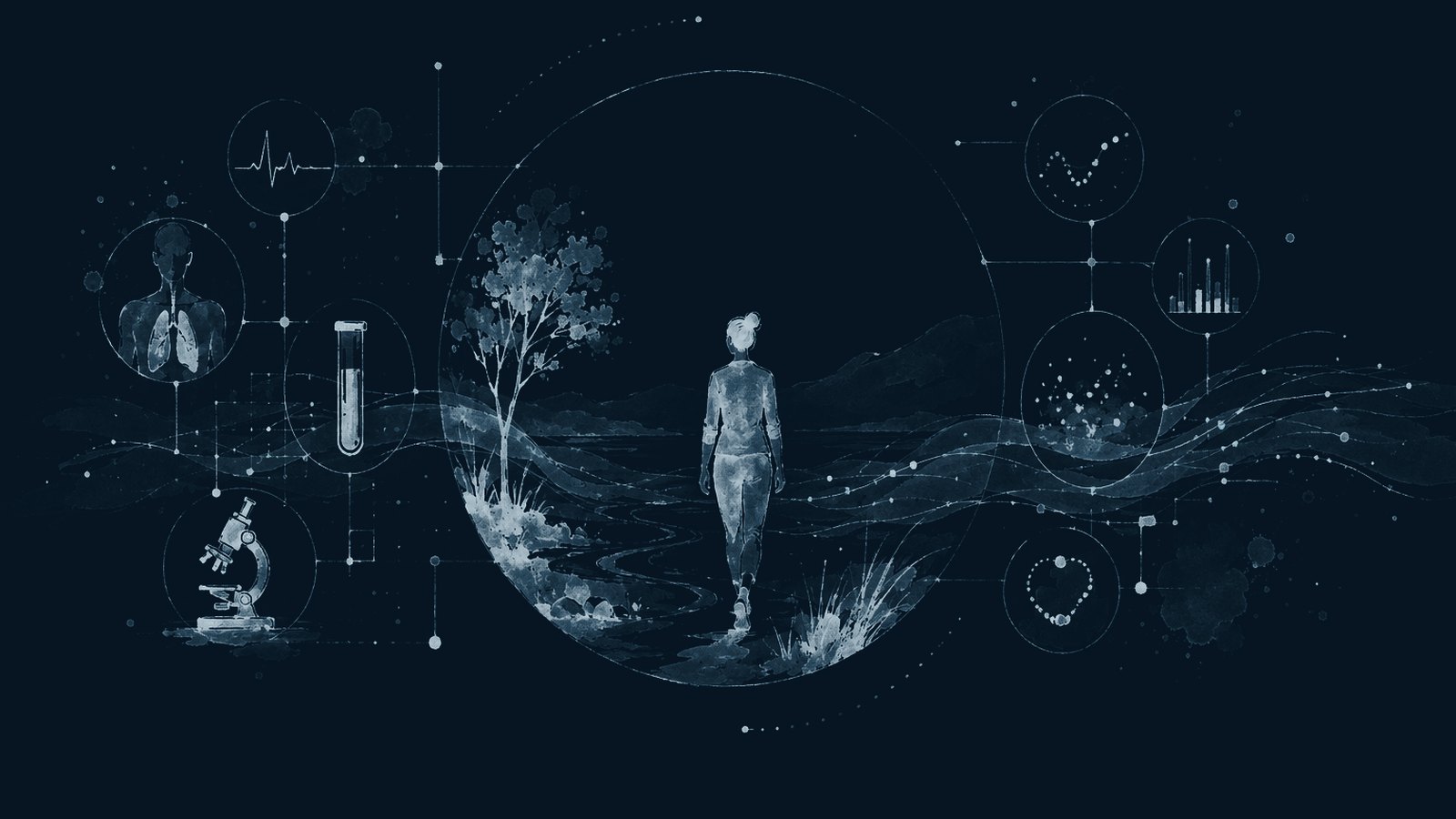
Our bodies are not static. They are streams. Medicine measured them in moments because moments were all it could hold.
The Folder Was Always a Workaround
We built the tree because we could not yet ask. Now that we can ask, the tree is free to become something quieter, and more durable, than it has ever been allowed to be.
The Blood That Remembers: What BrainScan Reveals Before the Mind Forgets
The earliest signs of forgetting may not be forgetting at all, but numbers, arriving early enough to answer.
The Hum and the Map
The machines that answer our questions are producing questions of their own, in places that never agreed to hold them.
Agents, Robots, and the Work That Still Requires Us
The numbers describe what machines can now reach. They do not describe what will still need to be held by people.
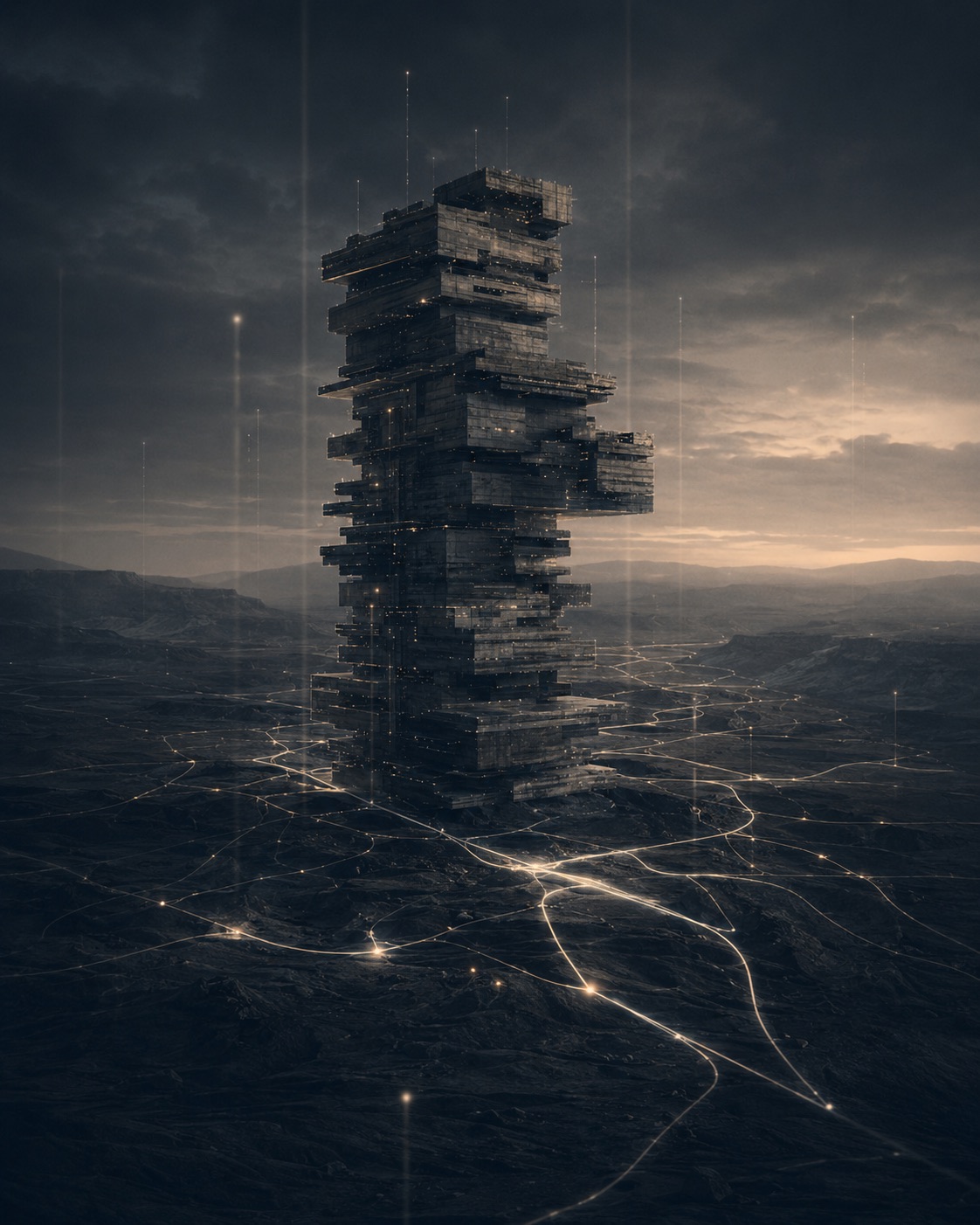
When Hierarchy Can No Longer Keep Pace
Most organizations were designed for a world in which change moved at the speed of human consensus and hierarchical approval.
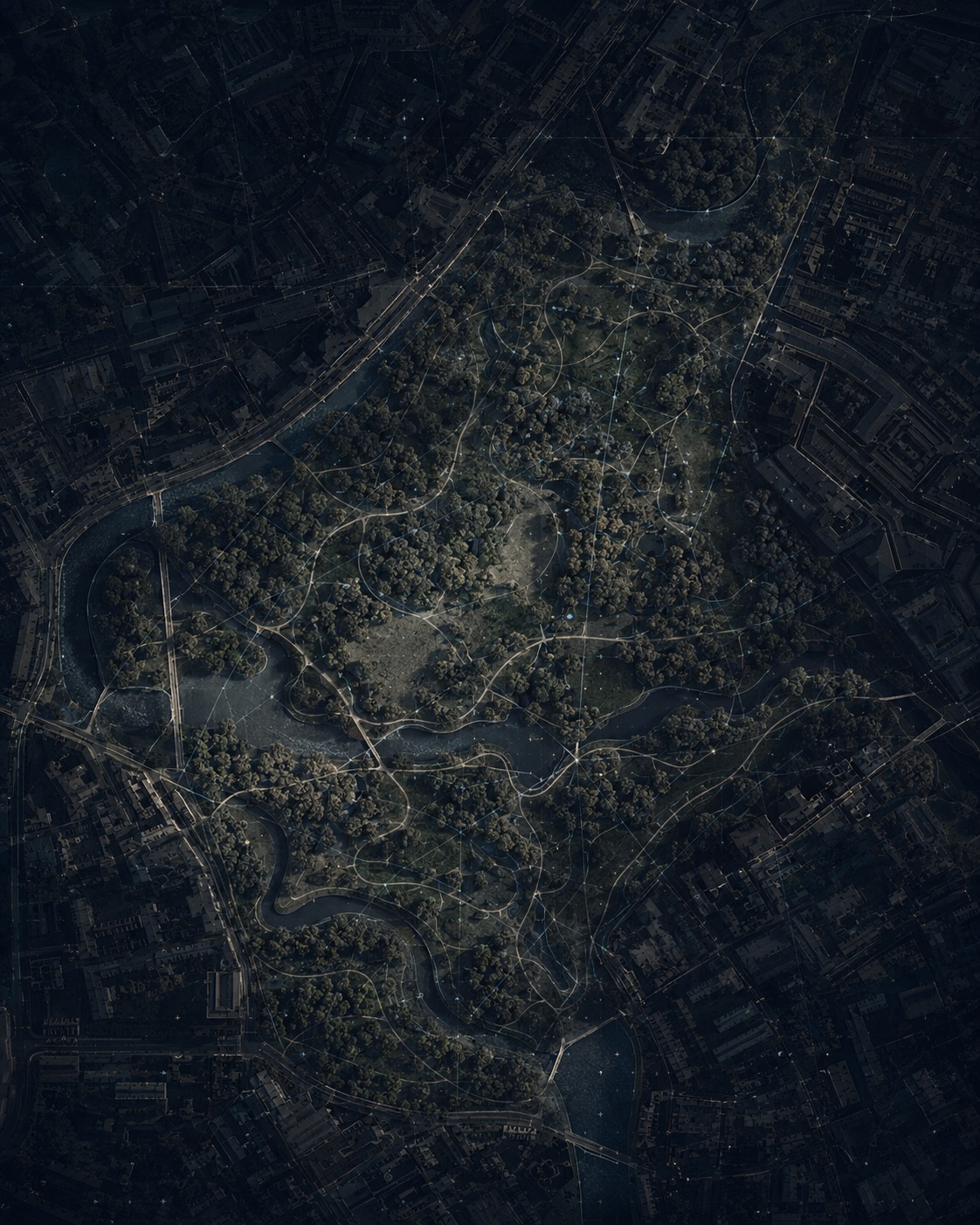
Parks as Infrastructure We Keep Underfunding
In many growing regions, the spaces that most reliably support health and resilience are the ones most easily treated as optional.
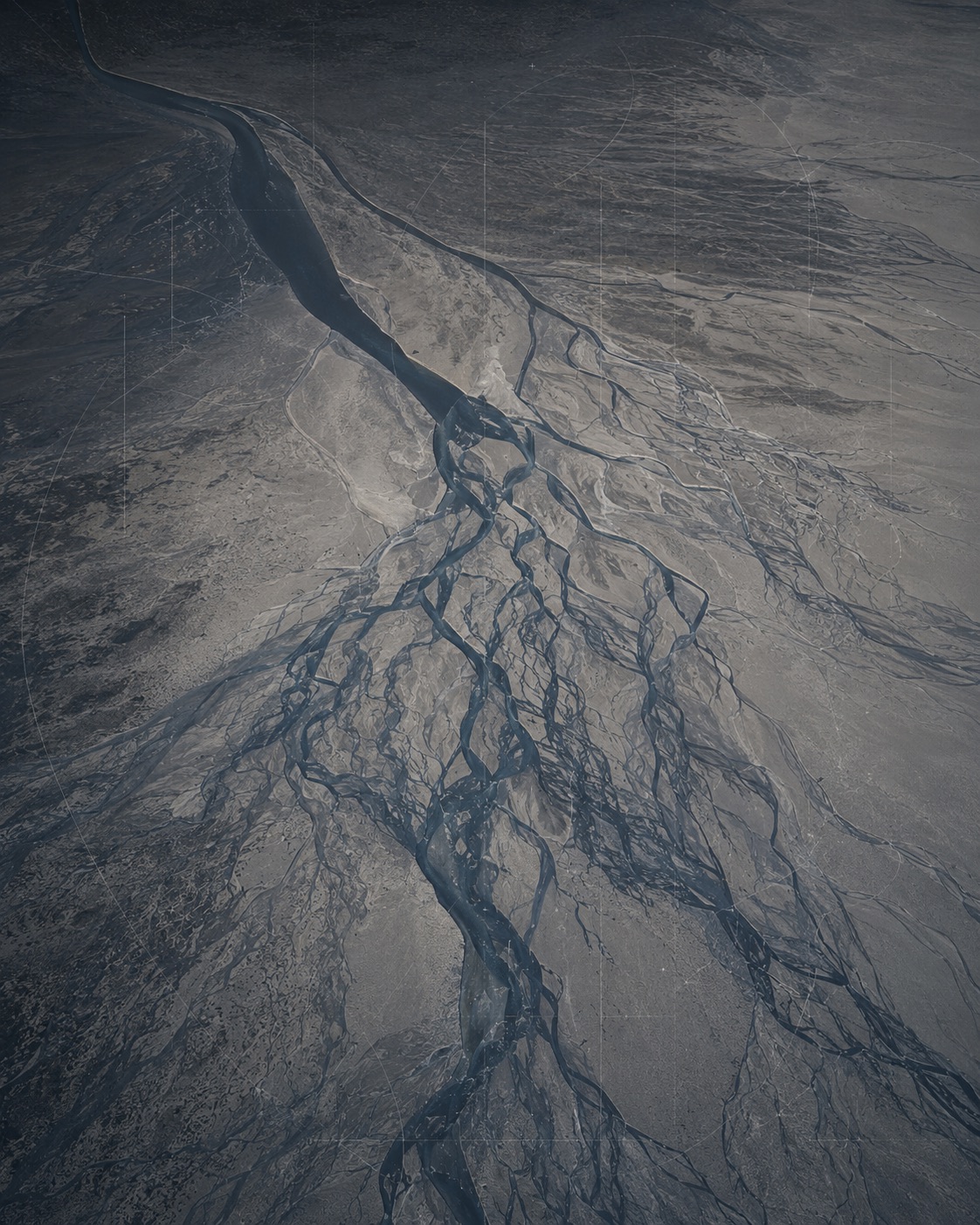
The High Cost of Spreading Thin
In organizations of any size, the appearance of balanced effort can mask a deeper failure to decide what actually matters most.
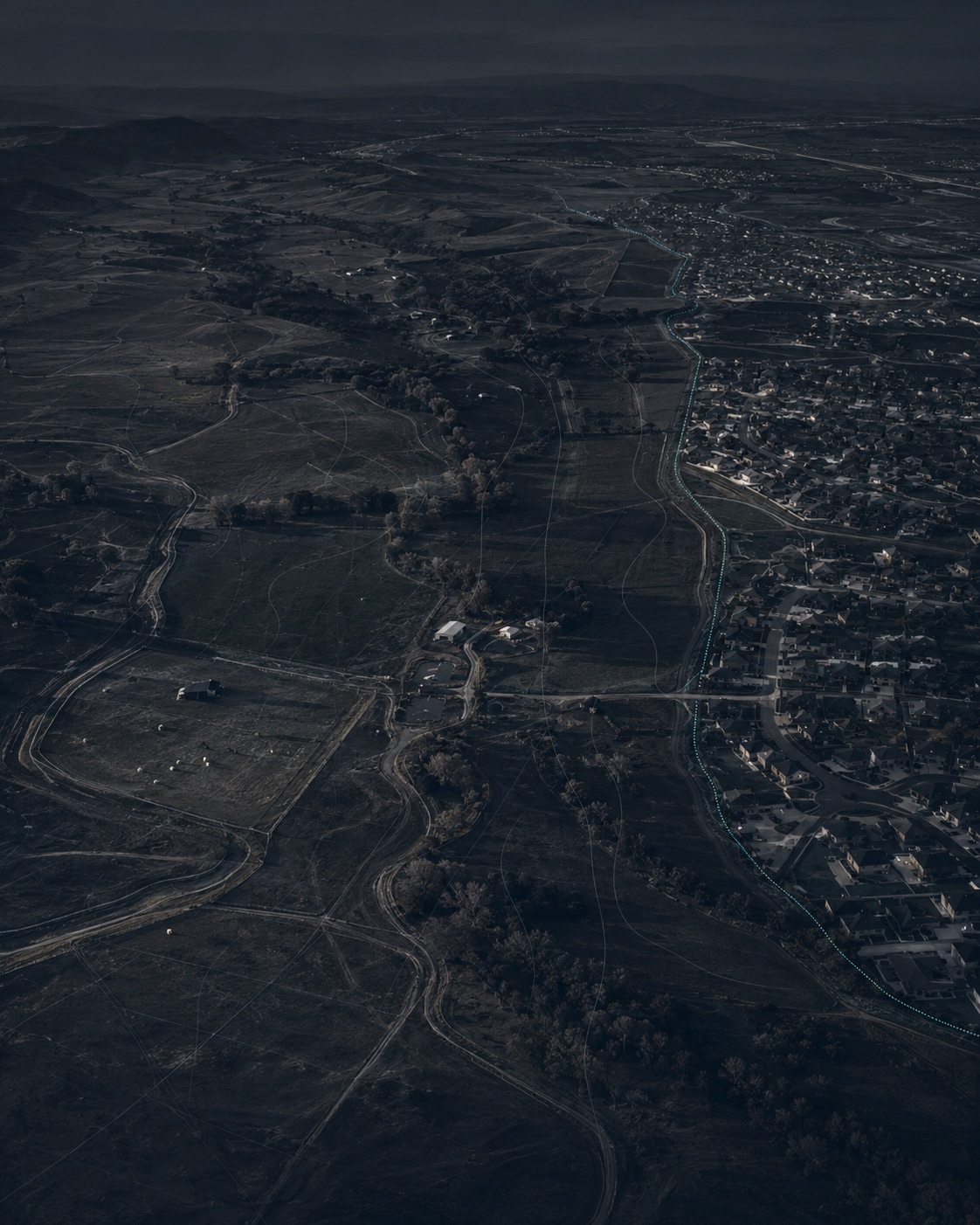
The Ranch That Refuses to Become Something Else
In regions under sustained development pressure, the most consequential conservation decision is often not whether land will be preserved, but whether it can remain economically viable while staying intact.

Resilience Begins Before the Emergency
The most useful disaster technology may be the infrastructure that spent years doing ordinary work before anyone needed it urgently.
Conservation Land Is Not Idle Land
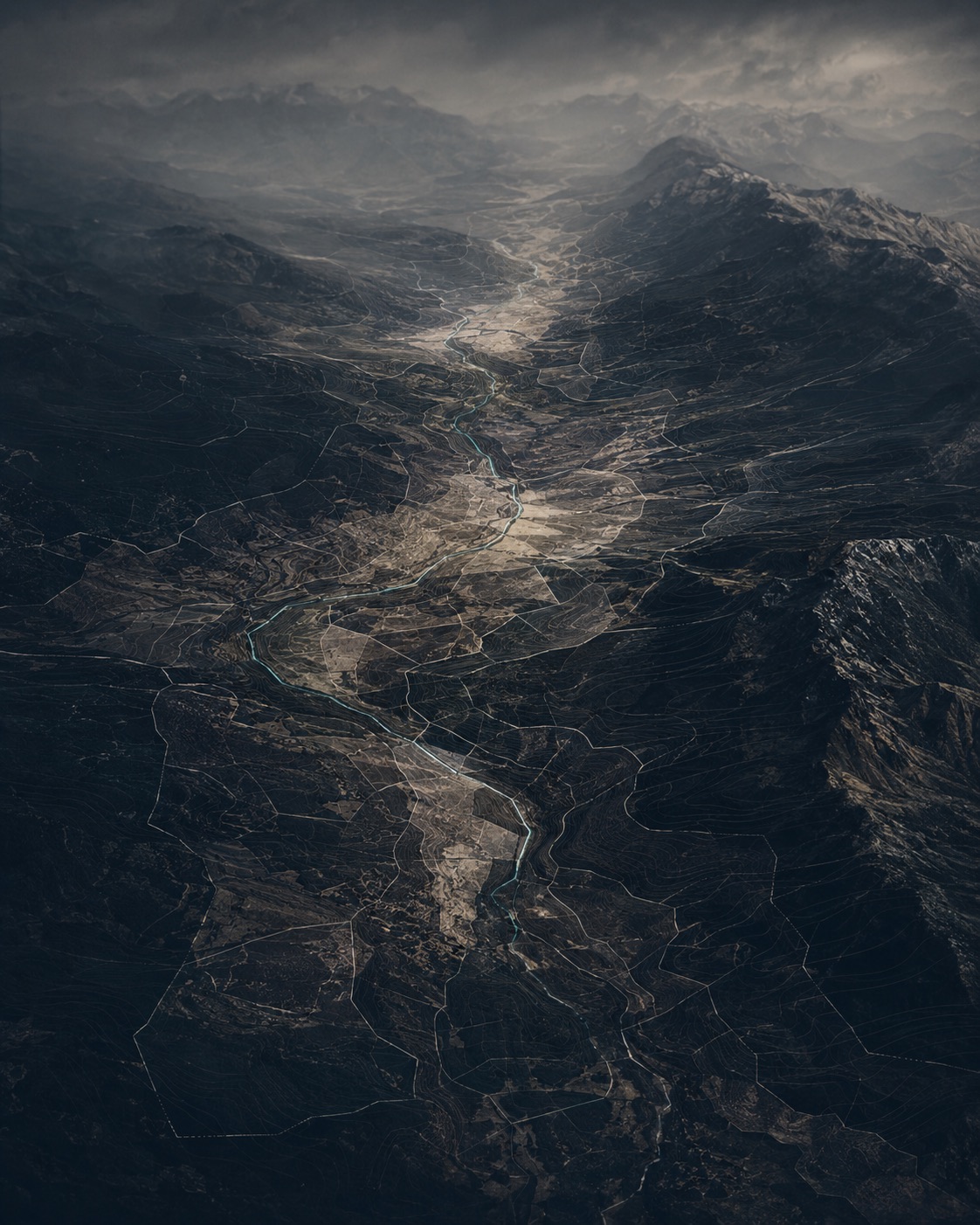
Public land is often described as underused when it is not producing something visible. That may reveal more about our accounting than about the land.
The Public Should Not Be the Backstop
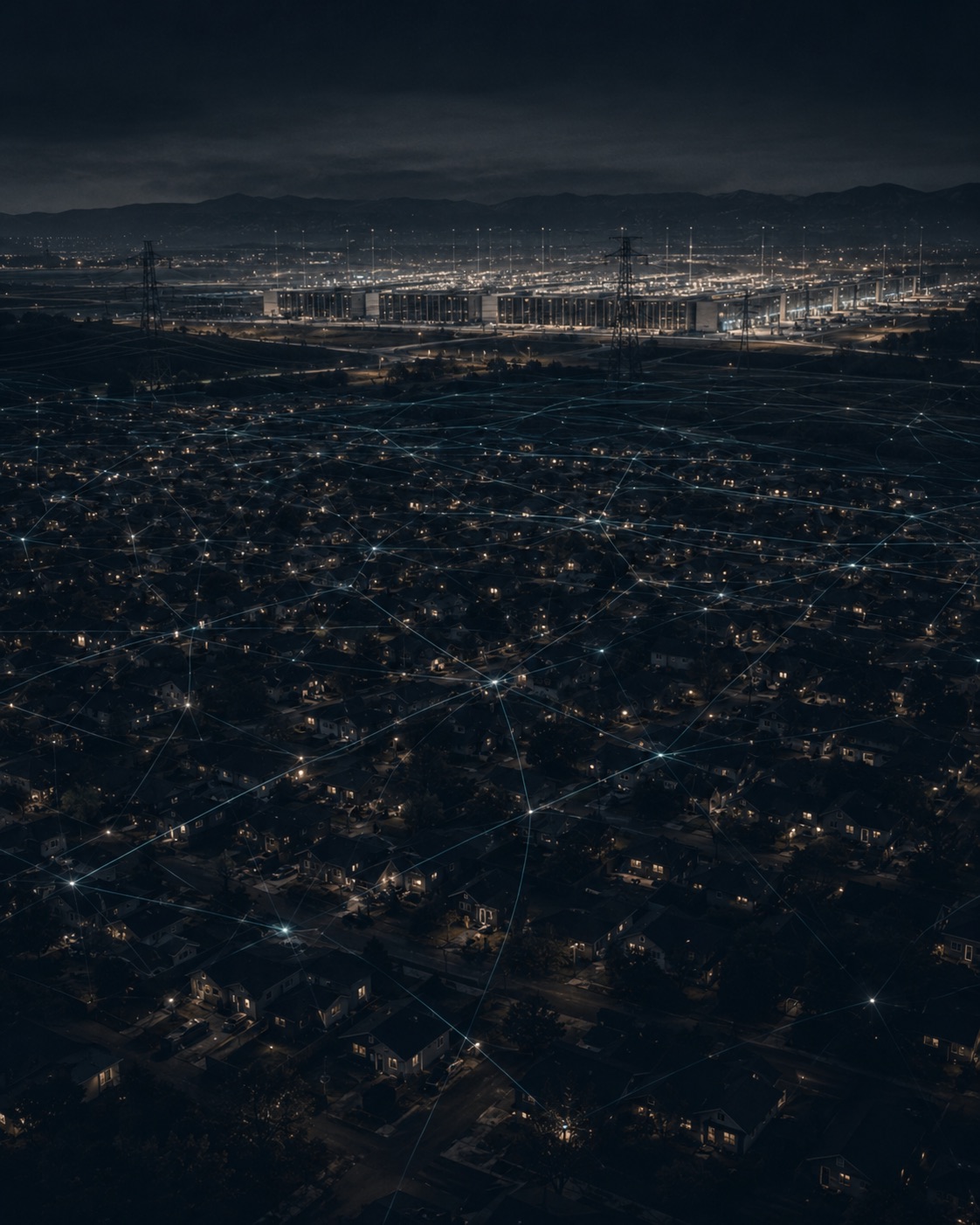
The true cost of artificial intelligence is not only what appears on a cloud invoice. It is also what gets embedded in the systems everyone else must continue to use.
The Mind Is Becoming Infrastructure
AI does not reduce the importance of human cognition. It reveals how little we have done to protect it.

The Office Has to Earn the Trip
Once work escaped the building, the office had to explain why it still existed.